The Brise
A home for an artist is not a house with a studio attached. It is a single proposition — a place where living and making occupy the same air, where the work on the wall is not decoration but evidence, and where the quality of the light is not a preference but a professional requirement.


Introduction
The clients were a family of four who had spent fifteen summers renting houses in southern Europe and had arrived, finally, at the same conclusion: they wanted that quality of life at home. Not the climate — they were clear-eyed about that — but the feeling. The particular ease of a house that opens to the outside, that blurs the line between inside and out, that makes the most of warmth when it arrives rather than apologising for its absence when it doesn't.
The site was a generous residential plot outside Frederiksberg, set back from the road behind a stand of mature birch trees. South-facing, well-drained, with enough distance from the neighbours to make outdoor living genuinely private.
The brief asked for four bedrooms, a kitchen that connected directly to the garden, and a house that felt, on a warm July evening, like somewhere they had always wanted to live.
Lead Architect
Daniel Weir
Year Completed
2026
Floor Area
800 m²
Type
Private Residence


The Problem
Building for warmth in a climate defined by cold is not a contradiction — it is a design problem, and a specific one. The thermal envelope that makes a Scandinavian house habitable in February is, without careful handling, the same envelope that makes it dark and sealed in July. The two conditions require different answers from the same building.
The timber brise-soleil that defines the upper elevation of The Brise began as a solar shading device and became the logic of the entire exterior. Fixed louvres on the south and west elevations filter direct summer sun from the upper floor bedrooms without obstructing the view or reducing the sense of openness. In winter, the low sun angle passes beneath the louvres entirely — the rooms remain fully lit.
The planning authority had a further consideration: the plot sat within a low-density residential area with strict height and massing restrictions. The two-storey section required a series of setbacks on the upper level that, once resolved, gave the house its characteristic horizontal profile — an outcome that the constraint, in retrospect, had made inevitable.

The Problem
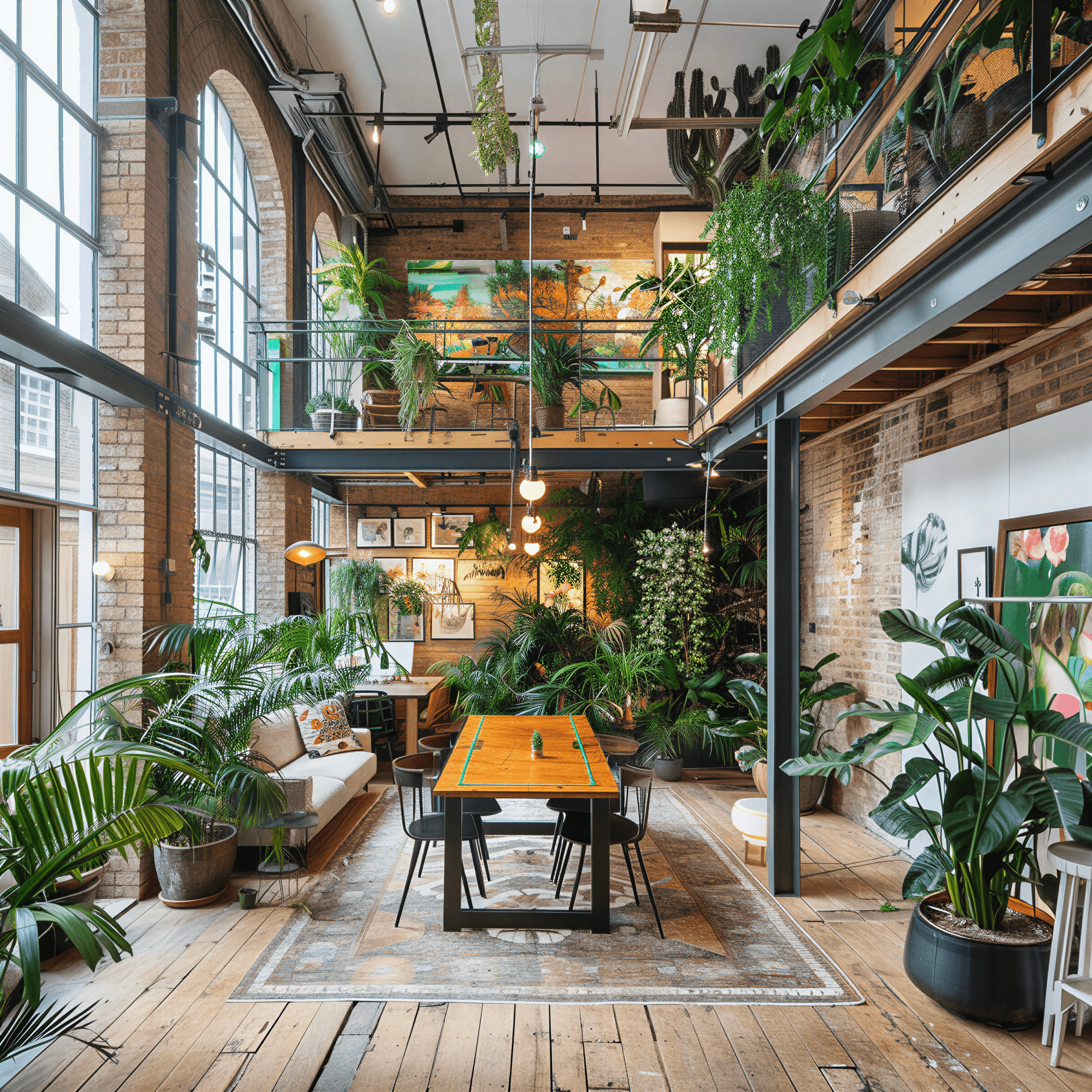
The ground floor is organised around a single east-west axis — entrance at the north, garden at the south, the kitchen and living spaces running the full depth of the plan between them. The ochre columns at the entrance are structural and deliberate: a moment of warmth and compression before the house opens into the light beyond.
The upper floor steps back behind the brise-soleil. Four bedrooms, each with a view into the birch trees. The louvres, in western red cedar, will silver over time. The clients were told this at the start and considered it an advantage.
The garden was designed in collaboration with a landscape practice and planted before the house was finished — the tropical species chosen for their summer vigour rather than their year-round presence. In July, the planting is dense and generous. In October, it recedes. The house works in both conditions.
"We asked for a house that felt like our summers abroad. What Thresholld built was something better — a house that feels like ours, in a place we already knew, in a way we hadn't thought was possible."
Henrik and Maja Strand, Frederiksberg